Best Sports Team Accounting Software: Tools That Make Managing Payments Easy for Busy Volunteers

Sierra Swigert Last updated: January 29, 2026
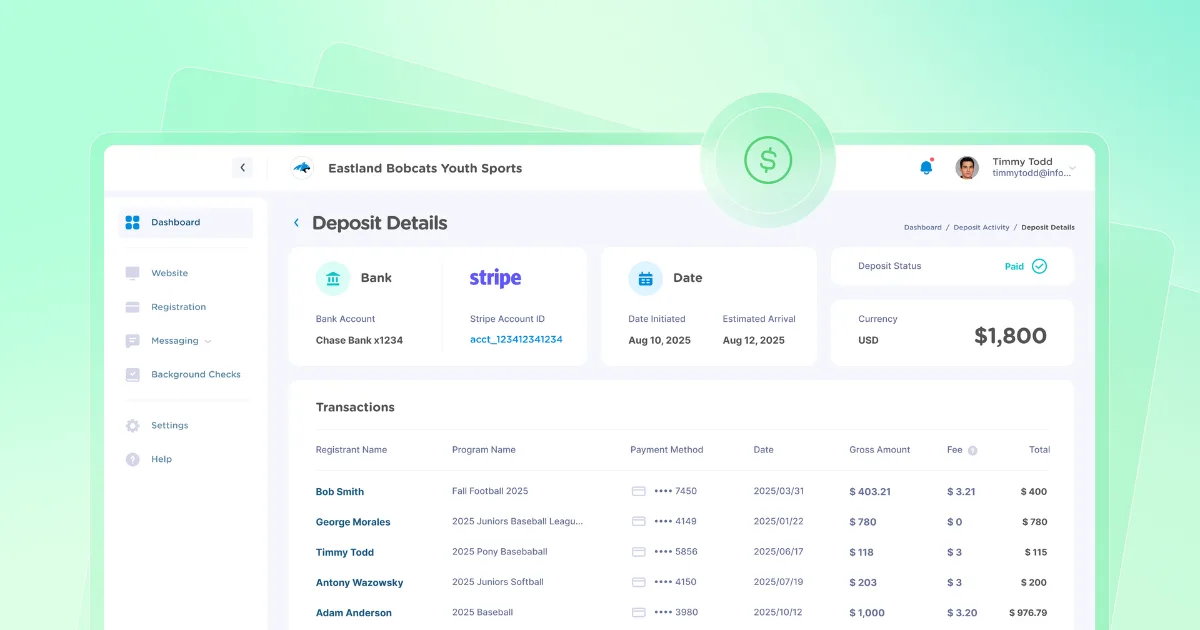
Rock-solid accounting is the key to managing your finances and growing your team, but it's also one of the most time-consuming tasks for a volunteer to tackle. From recurring fees to one-off expenses, even the smallest teams need a dependable way to track their cash flow.
Traditional accounting systems can quickly turn your finances into a mess. Between spreadsheets, bank visits, and paper checks, many volunteers spend more time managing money than they do on improving the team experience.
If you're not a professional accountant or bookkeeper, you can use sports team accounting software to consolidate finances, simplify payment collection, and implement long-term solutions that support the whole team.
Today's software management tools don't just automate credit card processing and receipts. They give volunteers comprehensive features to balance the budget, allocate funds, and plan for future seasons.

Why organized accounting matters for youth sports teams
Organized accounting is the foundation of your budget planning. When you can trust the books, you can calculate team fees, set fundraising goals, and prioritize expenses.
When parents, volunteers, or staff need information, you can quickly provide answers. If a coach voices concerns over the purchase of new gear, it's easy to show them how a bump in donations made it possible to afford the upgrade.
With strong accounting systems, you can:
- Track payments: Confirm who has paid, track outstanding balances, and follow up with families.
- Manage finances: Record deposits, process refunds, and get total financial transparency over your transactions.
- Budget: Allocate funds for equipment, uniforms, facilities, and incidental expenses (e.g., awards ceremonies, family appreciation nights, etc).
- Run reports: Use reporting tools to break down the numbers across the season or school year.
- Reduce stress: Eliminate the messy spreadsheets, manual deposits, and paper forms that can make admin such a nightmare.
When most volunteers want to spend their time with players rather than filling in spreadsheets, better accounting tools take the pressure off. Sports club accounting software can fill in the gaps and keep everything consistent, even as volunteers come and go.
Features to look for in sports team accounting software
When it comes to choosing a sports team accounting software, it's important to compare options based on features. It's easy to make decisions based on word-of-mouth, but what you should really focus on is how the tool meets your specific needs.
Whether you're running a small wrestling club or a multi-team volleyball league, these are the features that sports teams find most valuable. Think about how you might use each one, then look for a solution that has your top features included.
Simple, integrated online payments
Integrated online payments make registration so much easier. Busy parents can sail through the required fields on their laptop or mobile phone, and then settle team fees right then with their debit or credit card. Since you're giving parents an easy way to pay up front, built-in payment processing can dramatically cut down on late fees.
But it also reduces manual tracking for volunteers. The accounting software automatically records those payments and can even send payment confirmations or receipts and generate on-demand deposit summaries.
Fee tracking and player-by-player reporting
Player-by-player fee tracking clearly shows who has paid and who still has a balance, which can help you navigate uncomfortable conversations. For example, coaches and treasurers can use this feature to send reminders or open discussions about payment options.
If you work with families on a budget, tools like Jersey Watch make it easy to create payment plans so kids don't miss out due to finances.
Budgeting and financial planning tools
Simple forecasting tools help you safeguard your team's financial future by creating a more realistic budget. Accounting software can help you estimate expenses based on the number of league participants, so you can efficiently divide funds based on team needs.
Once you've covered your core costs, such as uniforms, facilities, marketing, and equipment, you can decide how to spend any leftover funds.
Income and expense categorization
Categorizing your income and expenses is the best way to clean up your financial reporting. Incorrect or vague categories make it hard to see exactly where the money is going, which is important for financial health.
With accounting software, you can clearly define each category:
- Registration fees
- Donations/sponsorships
- Tournament fees
- Uniform purchases
Better categorization improves transparency for everyone and shows you what each expense bucket is costing you.
Reporting and transparency for boards
Boards often require basic financial reports, such as seasonal summaries, cash flow reports, or deposit overviews. Better accounting tools make it easy to create these reports with just a few clicks, for consistent, transparent accountability.
Software tools can also help you smooth out volunteer transitions. User-friendly features and simple reporting options make processes easy to learn, so newbies can quickly get up to speed.
Ease of use for non-accountants
Volunteer treasurers will need very different systems than traditional accountants. Complicated software might give you more features, but it's also harder to learn and can lead to more mistakes.
Cut back on training time — and volunteer frustration — by choosing a mobile-friendly, intuitive tool that's designed with beginners in mind.
The best sports team accounting software (compared)
Now that you know the features to look for, let's see how some of the top solutions stack up. We'll break down how each one compares across important categories like volunteer-friendliness, ease of use, and payment workflows.
1. Jersey Watch

Jersey Watch is an all-in-one sports management tool that simplifies payments, expenses, and donations. Purpose-built for sports leagues, the platform lets you manage online registration, collect fees, view deposits, and track payment history, all in one place.
With Jersey Watch, you can:
- Integrate payment processing into online registration
- Manage sponsorship payments and donations
- Run financial reports
- Automate communications (e.g., payment confirmations)
- Process full and partial athlete refunds
If you need more advanced bookkeeping tools, you can export summaries to complementary software like QuickBooks. It's an ideal solution for busy volunteers who want to make accounting simple and consolidate tools into one place.
Outside of accounting needs, Jersey Watch offers a website builder made for sports, online athlete registration, text and email communication, event scheduling and background checks.
2. MoneyMinder
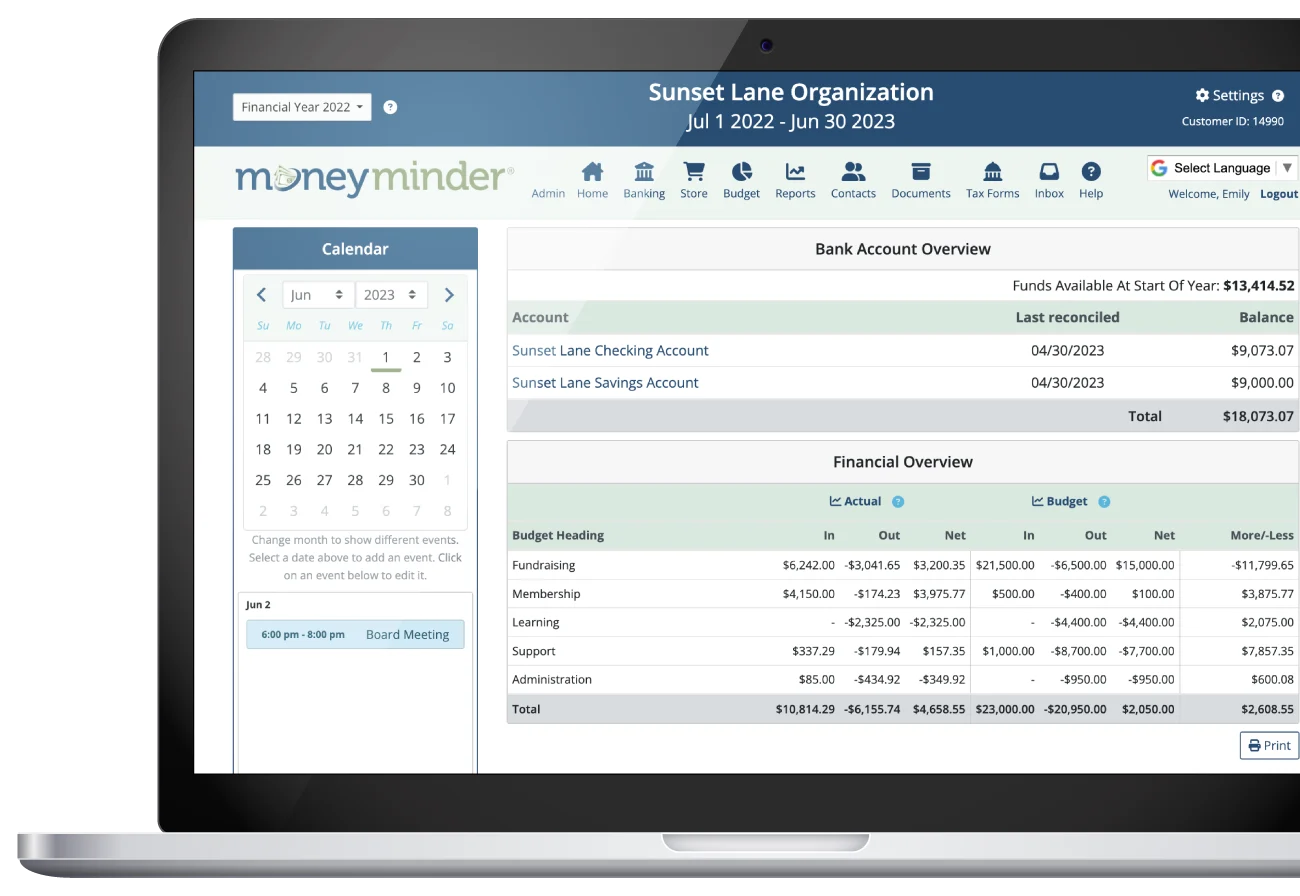
Source: MoneyMinder
MoneyMinder is designed for larger nonprofit clubs that need traditional accounting features, like bank account reconciliation, document storage, and integration with payment platforms like Venmo or PayPal.
It's a popular and reputable tool that was built by volunteers for volunteers to help teams categorize expenses, track memberships, develop a budget, and run basic reports. So it may be a good fit for larger teams who are already familiar with accounting basics and need more traditional bookkeeping tools.
3. Clubtreasurer
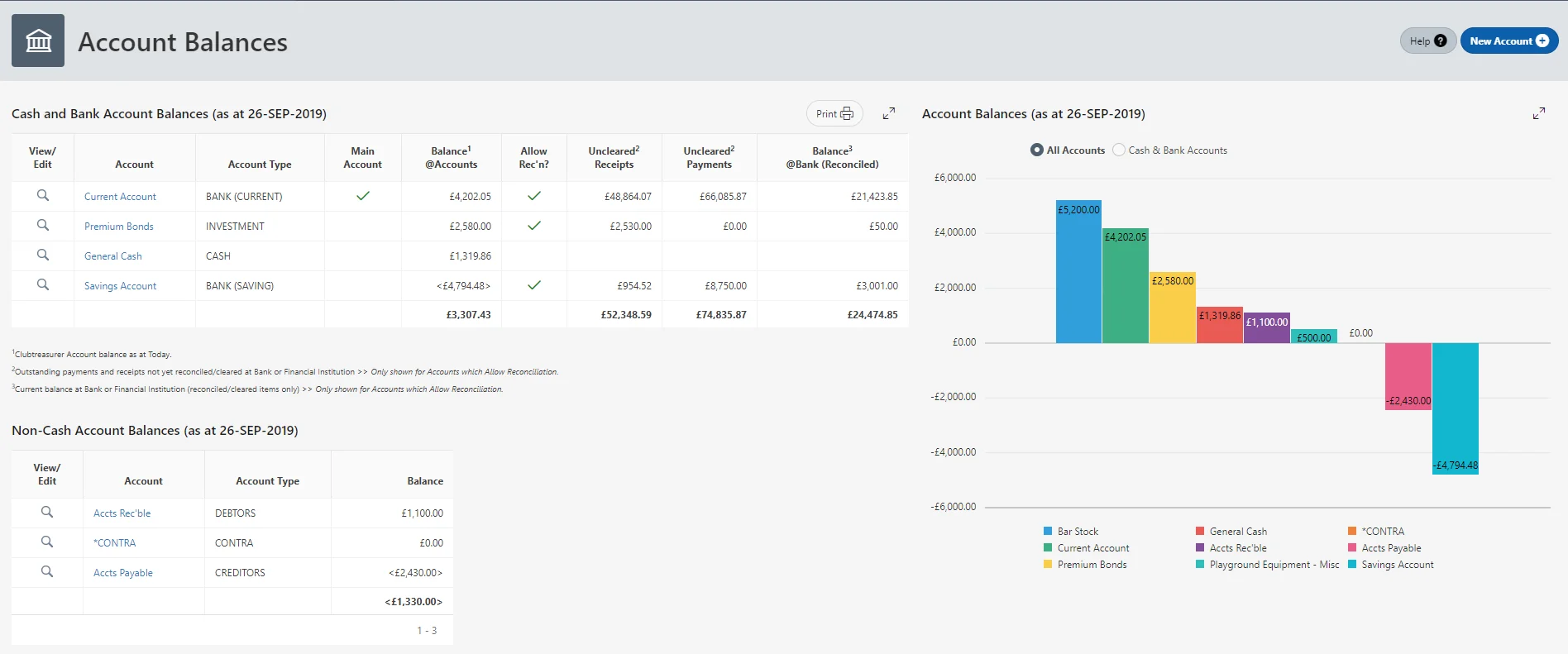
Source: Clubtreasurer
Clubtreasurer is budget-friendly accounting software for smaller organizations, clubs, and charities. This no-frills tool is simple to use, and it offers a full library of reporting options, including Balance Sheets and Cashflow.
If you just need a simple budgeting solution, you can use Clubtreasurer to manage memberships, plan your expenses, and get an overview of your finances.
4. Quickbooks
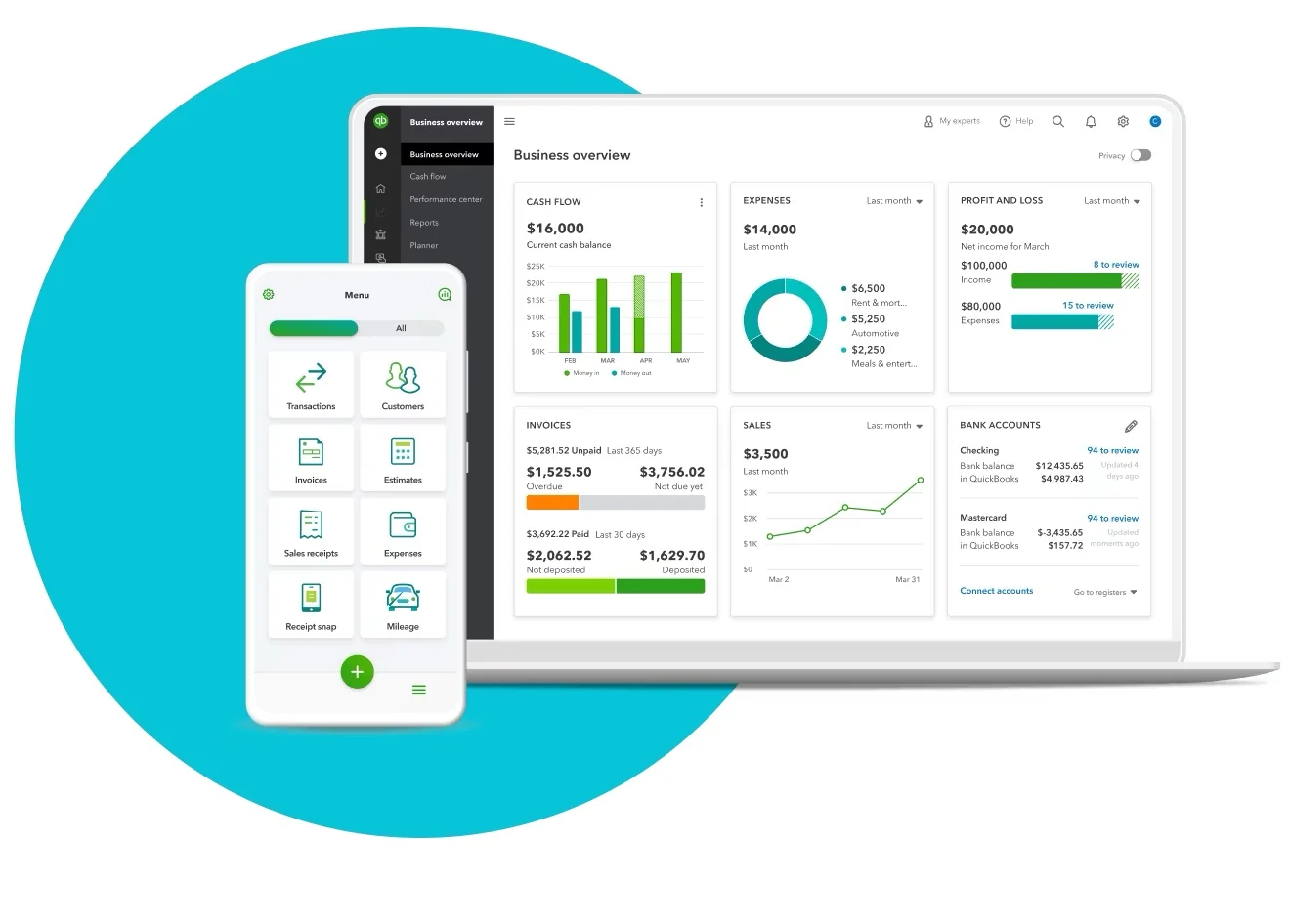
Source: QuickBooks
QuickBooks is a general small business accounting software, but some sports teams use it for its comprehensive features. In addition to budget planning and expense tracking, you can prepare taxes, track staff hours, and get payroll support.
That might be overkill for small teams, so it's typically a better fit for large leagues that need more advanced accounting options. The platform also integrates easily with other tools, like registration platforms, and offers a variety of reporting options for clubs that need them.
5. Aplos
Source: Aplos
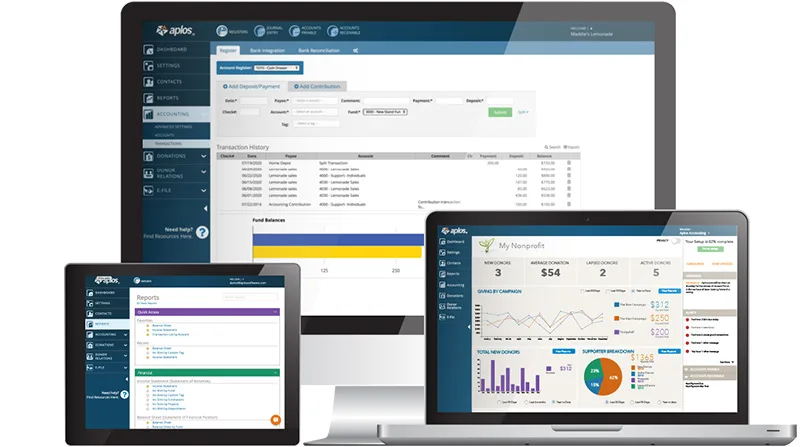
With Aplos, you can track donors, assets, and events, all from one dashboard, so it works especially well for multi-sport organizations or leagues with complex budgets.
The platform comes with plenty of advanced features, such as tag-based dimensions to separate different project budgets — which are great if you need them, but potentially overwhelming or expensive if you don't.
How to choose the best accounting software for your team or league
Most accounting software offers similar basic features, like budget planning and expense tracking. The right one for your team or league depends on how it's organized and who's managing the finances.
Consider the size and structure of your organization
A small organization or single team won't need the same advanced tools as a mid-sized league or multi-sport club.
The larger the program, the more likely you'll need tools like tax prep, fixed-asset tracking, payroll support, advanced expense tracking, and in-depth reporting options. Smaller organizations may only need simple features, such as payment tracking and basic reporting.
Identify who will manage the finances
It's important to choose your tool based on your staff and support team. A busy volunteer wants a user-friendly interface that's reliable and quick to learn. But if you have a dedicated bookkeeper with experience, they might prefer something with more advanced tools.
What's important to remember is long-term usefulness. How easy will it be for someone else to pick up the tool and keep everything running smoothly? Volunteer turnover is common, and you don't want to base your club finances on one person understanding a complicated system.
Decide how integrated you want your tools to be
Integration options can simplify a lot of processes, especially for larger leagues and clubs. Tools like QuickBooks integrate with hundreds of business and nonprofit tools to streamline anything from workflows to invoice management.
If you're a smaller organization, though, you may get more value out of consolidating into an all-in-one management platform. With a tool like Jersey Watch, you can handle your registration, payments, communications, rosters, and schedules in one place.
It's a great way to simplify your operations, reduce mistakes, and better support your players and their families.
Evaluate customer support and learning resources
When your volunteers run into an issue, make sure there's a place for them to go. A platform with strong, responsive customer support and built-in learning resources can help users feel more confident while learning the new tools.
Some big-name accounting software may have larger customer service teams, but that can also mean complicated phone trees and multiple escalations to get your questions answered. Dedicated tools like Jersey Watch have overwhelmingly positive ratings thanks to quick response times and knowledgeable customer support.
Keep long-term sustainability in mind
Volunteers and programs change, but your accounting software should keep your financial planning predictable. The right tools will make your books easy to follow from one year to the next, even as staff members transition in and out.
Consistent budgets, expense tracking, and payment processing can also bring much-needed clarity to board members, staff, volunteers, and parents. Choose a tool that you and your team can work with for many years to come.
Make managing team payments easier with Jersey Watch
Most youth sports volunteers don't have time to learn complicated accounting platforms. They need simple systems that can collect payments, track expenses, automate communications, and cut down on manual work.
The right solution for your team is the one that makes it easy to stay organized and build up financial stability for the long haul — so you can spend your time and effort where it matters.
Ready to make accounting simple? Sign up for Jersey Watch's all-in-one platform today!
FAQs
What features should sports team accounting software include?
The most important features typically include online payment processing, expense tracking, and simple financial reporting. These features help volunteers keep track of who's paid and how money is spent. They can also reduce mistakes, like misplacing checks or losing cash, by eliminating manual paper handling.
Is basic accounting software enough for a youth sports league?
It depends on the size and structure of the league. Smaller teams may only need simple fee tracking, deposit records, and basic budgeting tools. Larger clubs with full-time staff may need advanced reporting, payroll support, and tax prep capabilities.
Can teams manage finances without accounting experience?
Many platforms are designed for volunteers without an accounting background. These tools use simple dashboards and intuitive features to help track expenses and payments. If your volunteers change from year to year, you should choose an accounting tool that's beginner-friendly.
Which tools help reduce late payments?
Payment systems with mobile checkouts and automated reminders can help families pay on time. Once they've settled their dues, the system can send an automated confirmation and receipt.
Do we need separate systems for registration and accounting?
Not every organization needs separate systems for registration and accounting. All-in-one platforms like Jersey Watch can collect fees, organize rosters, and manage your communications in one place, so you don't have to rely on multiple tools or confusing workarounds.

Sierra SwigertOperations Manager
Sierra Swigert is the Operations Manager at Jersey Watch. She works directly with youth sports organizations every day and writes educational resources based on her firsthand experience supporting league administrators and volunteers, as well as her background competing in cross country and track.


