
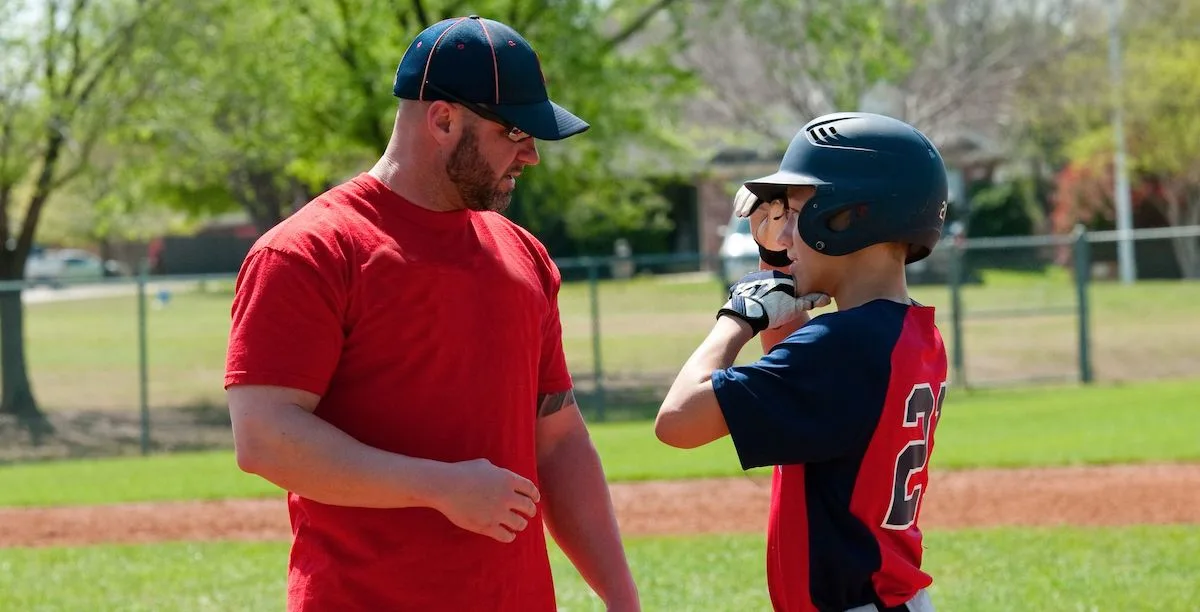
You've got 45 minutes of practice time, a mixed bag of skill levels, and kids who will lose focus the second they're standing in a long line. Finding the right baseball drills for youth players (ones that match who's in front of you) can make the difference between a productive session and a chaotic one.
Baseball drills for youth are practice activities that help young players build hitting, fielding, throwing, and base running skills through short, repeatable reps. The best ones are simple enough for a volunteer coach to run without a full coaching staff and flexible enough to work across different ages and abilities.
This list sorts drills by skill category and age group so you can grab what fits tonight's practice without reading through everything. Whether you're running tee work with a group of 6U beginners or timing drills with a 12U travel squad, you'll find something you can set up and run right away.

How to use this drill list
This list sorts baseball drills for youth by skill category and age range so you can pick what fits tonight's practice in seconds. A volunteer coach running a mixed 8U group can scan the age categories, grab the simpler reps with shorter lines, and skip anything too advanced.
Matching drills to your age group
Pace and complexity matter as much as the drill itself. Players in the 6U–8U range need quick tee reps, simple cues, and lots of movement. The 9U–10U band can handle more focused skill work. By 11U–12U, players are ready for timing work and bunting drills that require real concentration.
What to gather before practice starts
Set out your equipment before players arrive, and you eliminate dead time instantly.
You need:
- A tee
- Cones
- A bucket of balls
- A PVC pipe
- Tennis balls
One volunteer coach at a park field can place a single tee, a cone lane, and tennis balls at three separate spots. Stations are ready before the first kid steps on the grass.
Hitting drills for young players
Good hitting habits built early are far easier to keep than bad ones are to fix later. A player who wants to swing hard first needs consistent contact off a tee. Get that rep repeatable, and the power follows naturally.
Stay inside the ball drill
This drill teaches 6U-10U hitters to keep the barrel through the zone instead of yanking off the ball early, a habit that shows up fast as weak rollers to the pull side.
Place a tee at the center of the plate. The hitter takes a normal stance, loads, strides, and drives the ball to the opposite-field gap. The rep ends at contact, not a full follow-through.
Encourage players to keep their hands close to their shirt on the way down, and to try to hit a line drive to right-center. With a 10U player rolling over grounders to the pull side, move the tee slightly outside and ask them to hit it back up the middle. Most kids feel the difference a few reps in.
Tee work with a purpose
A batting tee gives 6U–10U players something valuable: a chance to repeat the same swing until it starts to feel natural. The goal is feeling balanced at contact every single time.
Set the tee at waist height. The player takes their stance, feet shoulder-width apart. Next, have them swing and hold the finish without dropping their hands. Then, the next player steps up to keep the line moving.
Consider incorporating easy coaching cues, like "squish the bug" for back-foot rotation, and "watch the ball" to discourage early head movement.
PVC pipe contact drill
All you need for this drill idea for 6U-10U players is one standard PVC pipe cut to bat length (available at most hardware stores for under $10) to give players a real feel for swing direction before they ever pick up a bat.
The player holds the pipe in their normal grip and takes slow, controlled swings while the coach watches for hip rotation and a level swing path through the zone.
A team running tight on equipment can set this up as one station in a rotation with one pipe and three players cycling through. Kids get reps while the coach tracks body control, not just contact.
Stride pause stride swing drill
This drill is built for 9U–12U hitters who rush through their load and lose timing before the ball reaches them.
First, set up at a tee or have a coach soft-toss. Have the player take a normal stride, then pause with their weight balanced. Then have them stride again into the pitch, and swing.
The pause forces players to feel weight transfer as a controlled movement, not a scramble. Watch whether your hitter can hold that pause without drifting forward. If they can't stay still, they're likely lunging — which is exactly the habit this drill fixes.
Fielding drills that build real confidence
Confidence in the field comes from repetition, not talent alone. When a nervous 8U player freezes on a routine grounder, it usually means the footwork and glove movement haven't become automatic yet. Enough clean reps of the following drills can help game balls feel slower.
Ball handling warm-up routine
This simple warm-up needs nothing but a glove and ball. It works for any age group, and players can start it independently the moment they step onto the field. Each move builds glove comfort before harder fielding reps begin.
Run players through this sequence:
- Around the body
- Through the legs
- Figure 8
Start your practices with this routine, and keep it going as late arrivals trickle in to keep everyone active rather than standing around. Players who have already warmed up get more out of every fielding rep that follows.
Drop step drill for outfielders
This drill is best for 9U–12U outfielders. Opening the hips immediately on a drop step lets players reach angled balls faster, rather than crossing over and chasing from behind.
The player starts in the ready position, then you point left or right as the trigger. The player drops the back foot, opens the hip, and drives toward the ball. Catch, then transition into a throw.
For new outfielders who are still nervous about tracking balls over their shoulders, start off with tennis balls for this drill. Then, use real baseballs once they’re comfortable.
Go-to fly ball drill
This drill works best for 10U–12U outfielders who can already track a ball in the air. Start each player in a ready position, weight forward, glove side open. The coach hits or tosses a fly ball, and the player reads the ball, drops into their route, and catches it in stride, finishing with a crow hop and a throw back in.
For a travel or advanced rec group, mix in line drives and over-the-shoulder reps to keep players reading different ball shapes. That variety builds faster reaction habits than straight fly balls alone.
Throwing and base running drills
Throwing reps build arm strength, but be mindful of overdoing these drills: MLB's Pitch Smart guidelines identify overuse and fatigue as the top risk factors for youth pitching injuries, and that applies to practice throwing, too.
Extreme catch throwing drill
Partners start about 10–15 feet apart and step back one pace after each clean catch. That gradual buildup is what makes this drill work for 9U–12U players: arms warm up naturally, and accuracy stays sharp throughout.
Set a stopping point based on each player's size and arm strength. A smaller rec player might top out at medium distance, around 45–50 feet, and that's fine. Pushing longer throws before a player is ready builds bad habits and strains young arms.
Watch for short-arm mechanics as distance increases. That's your signal to stop backing up and hold the current distance instead.
Round the bases relay drill
This drill needs a minimum of eight kids to run well and works best for ages 8U–12U. Split your group into two teams of at least four players each. Each player runs one base, then tags the next teammate. At first base and every turn, cue players to hit the inside corner and lean into the arc. That's where most kids lose speed.
Save this one for the final 10 minutes of practice when energy dips to keep players locked in when a quiet fielding rep won’t cut it.
Bunting for accuracy drill
This drill works best for 10U–12U players and gives them a real target to aim at instead of just trying to deaden the ball.
Place two cones down each baseline about 15 feet from home plate. The batter squares to bunt and directs the ball toward either cone zone.
Bat control is the real payoff from bunting practice, and it carries into every other hitting situation. A 12U coach can run this as a quick station block, with one player bunting toward cone targets along both lines while the rest rotate through nearby hitting reps.
How to sequence these drills in one practice
These drills work best inside a simple four-block structure: warm-up, skill work, competition drill, and cool-down. That structure keeps kids moving and gives your practice a clear shape without turning into a full lesson plan.
For a 75-minute 9U or 10U practice, try this flow:
- Warm-up (10 min): Ball-handling warm-up routine
- Skill work (35 min): One hitting drill, one fielding drill run as stations
- Competition drill (20 min): Round the bases relay
- Cool-down (10 min): Stretching and quick team recap
Three to four drills per session is plenty. Fewer activities mean better reps and less standing around.
For a deeper look at building out a full practice structure, check out this youth baseball practice plan guide, which covers the bigger picture beyond individual drills.
How Jersey Watch organizes your season
Running great practices is only part of the job. You still need to post game schedules, push out last-minute rainout alerts, and keep parents in the loop, all from your phone between work and warmups.
Jersey Watch gives volunteer coaches and league directors simple scheduling tools and built-in text and email communication features to handle that off-field workload. Post a schedule update once, and every family sees it immediately.
If you're managing the full season, check out baseball fundraising ideas to cover equipment costs, and browse the baseball resource library for more practical guidance.
Better systems, less time chasing down parents, and more time focused on your players: Get started with Jersey Watch for free today.
FAQs
What are the best baseball drills for youth players?
The best drills target one skill at a time and are appropriate for your age group. For limited practice time, tee work, the drop step drill, and bunting for accuracy each deliver focused, repeatable reps players can build on. Matching the drill to the player's age group matters as much as the drill itself, because younger players usually need simpler instructions and shorter turns.
What baseball drills work best for 8U, 10U, and 12U teams?
The best drills change by age because younger players and older players handle practice very differently. 6U to 8U players thrive with simple tee reps and ball-handling warm-ups. 9U to 10U players can handle more structured drills like the stride-pause swing and the drop-step drill. By 11U and 12U, players are often ready for more game-speed reps, such as extreme catch-throwing and bunting for accuracy.
What equipment do I need for youth baseball practice drills?
A batting tee, bucket of balls, cones, and tennis balls cover most drills. The PVC pipe contact drill adds one low-cost extra item: a standard PVC pipe cut to bat length usually does the job. Gathering those items before players arrive helps practice start on time and keeps lines from backing up.
How many drills should you use in one youth baseball practice?
Stick to three to five drills per practice. That usually gives coaches enough variety to cover key skills without rushing players through too many stations. In a 75-minute session, fewer drills mean shorter lines, more reps per player, and better coaching focus.
How do you make youth baseball drills fun and age-appropriate?
Youth baseball drills feel more fun when players can move, compete a little, and understand what success looks like. A relay-style base-running drill or a target-based bunting drill gives kids a simple goal and keeps their energy up. Age-appropriate adjustments matter too (like using tennis balls for younger outfielders) because players stay more engaged when the challenge matches their skill level.

Nick RattermannCo-Founder / CTO
Nick Rattermann is the Chief Technology Officer at Jersey Watch with more than 10 years of experience building software for volunteer-run youth sports organizations. He writes about youth sports technology and league management, drawing on both his technical expertise and his experience as the parent of a son who plays soccer and basketball.


